



Wood Carving of Buddha Head
This is a statue of the Buddha's head, depicting the head of Buddha Sakyamuni, the founder of Buddhism, with a meditative look, closed eyes, a bun on the top of the head (called "Ushnisha", symbolizing wisdom) and a spiral bun (called "snail hair"). The statue presents a wood-like carved texture and brown tone distressed effect, with a strong Zen or Southeast Asian Balinese style, designed to create a peaceful and peaceful atmosphere.

Buddha statue
This statue depicts the Buddha's appearance before his enlightenment under the Bodhi tree. What happened before this moment is often described as a fierce struggle between good and evil, delusion and insight. Moro, the god of illusions, attacks Buddha and challenges the young prince's right to eliminate him. In response, the Buddha extended his right hand and called on the earth to witness his lifelong good deeds. In records from Southeast Asia, the goddess of the earth appeared and submerged the earth, destroying Moro and his army.

Shakyamuni Buddha statue (8th century AD)
The limestone Buddha head of Shakyamuni, dating back to the 8th century AD, is currently housed in the Minneapolis Academy of Arts. The Buddha statue of Shakyamuni is highly compatible with the classical style developed by early sculptors of the Tuora bowl. The face is square, the mouth is wide, the nose is flat, and the hair is curly. Although the artist of the Tara bowl drew inspiration from the idealized sculpture concepts of India, this portrait indicates that the facial features of the local residents quickly integrated into their religious art.

Shale statue of Shakyamuni half body from Peshawar, Pakistan in the third century
The half body statue of Buddha, made of shale in the 2nd and 3rd centuries, originated from Peshawar and is currently housed in the National Museum of Pakistan. Shakyamuni was like turning a wheel with both hands, wearing a huge bun on his head. He has regular facial features, a high nose, deep eyes, and a small beard on his lips. Wearing a robe with exposed right shoulder, the folds are very smooth. Strong in physique, it is the pinnacle of the Jiandala statue.

Iron Buddha Statue of Shakyamuni during the Goryeo Dynasty in Korea
This artifact is a cast iron Buddha statue from the Goryeo Dynasty in Korea. It is now housed in the British Museum in London. Its production date is from 918 AD to 1392 AD 1234. This Buddha statue is made of cast iron. The Buddha statue was discovered at a temple site in Hasachangli, Gwangju, buried to the waist. Many features are similar to the main Buddha statue in Shiku Temple, such as the outer robe covering only one shoulder, fan-shaped folds in front of the crossed legs, and a right hand lowered towards the ground. This statue was made in the early Goryeo period of the 10th century.

Popular Models
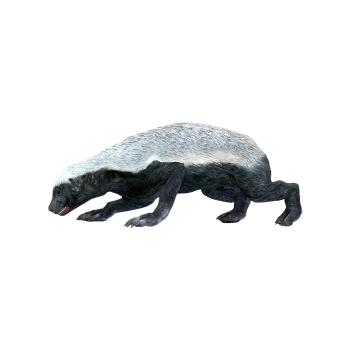
Honey Badger (3D animated model)
194 View
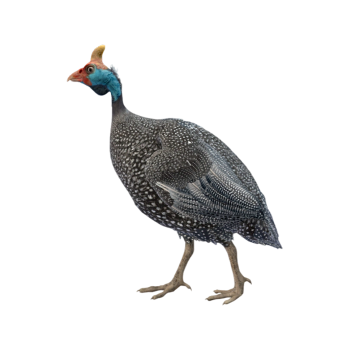
Guinea fowl (3D animated model)
165 View
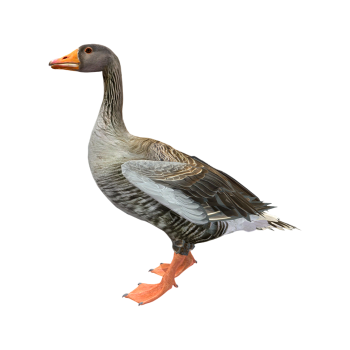
Wild Goose (3D animated model)
187 View
Red Fox (3D animated model)
155 View
Random Model

Flint Pistol
654 View


Giant webbed-footed octopus specimen
731 View
Fried Bull Skirt with Beet Leaf
802 View

Oranges
414 View
cock pottery figurines
406 View

Specimen of tree sparrow bunting
726 View

Adidas original TR21 sneaker
598 View